
Starting nursery is a big milestone for toddlers and parents alike. The mix of excitement and nerves is normal, and with practical first-day nursery tips and careful toddler preparation, you can make the experience enjoyable and positive. This guide draws on expert advice, real-life UK experiences, and insights from Lote Tree Nursery to help you prepare your child with confidence.
Many nurseries, including Lote Tree Nursery’s Starting Nursery page, emphasise routines, social skills, and emotional support, which means early preparation helps your child transition smoothly and feel secure.
Understanding the Importance of First Day Nursery Preparation
Toddlers often feel anxious because the nursery environment is entirely new. Children may worry about leaving home, interacting with other children, or coping with different routines. Emotional readiness for nursery is key in helping them navigate this change. Lote Tree Nursery emphasizes that gradually settling children in ensures a confident start.
Early preparation impacts confidence and independence. Consistent routines at home, such as bedtime, breakfast, and dressing, give toddlers a sense of predictability. This approach aligns with nursery readiness guidance, and it encourages curiosity and self-assurance. You can also check the EYFS page for UK-specific developmental standards.
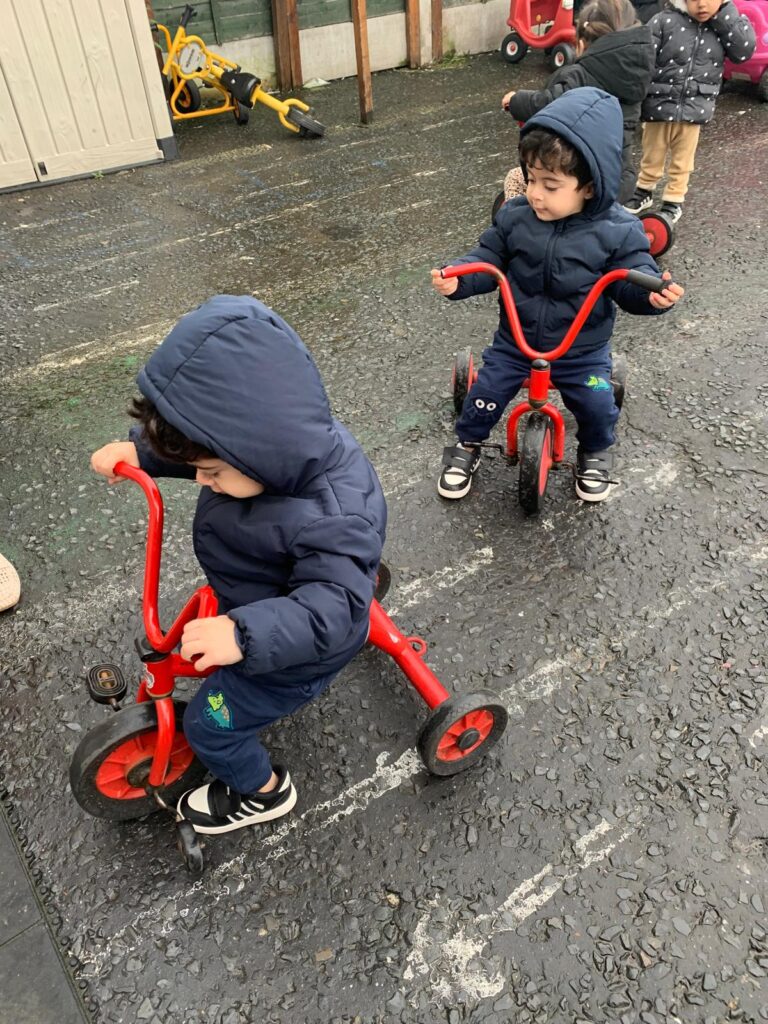
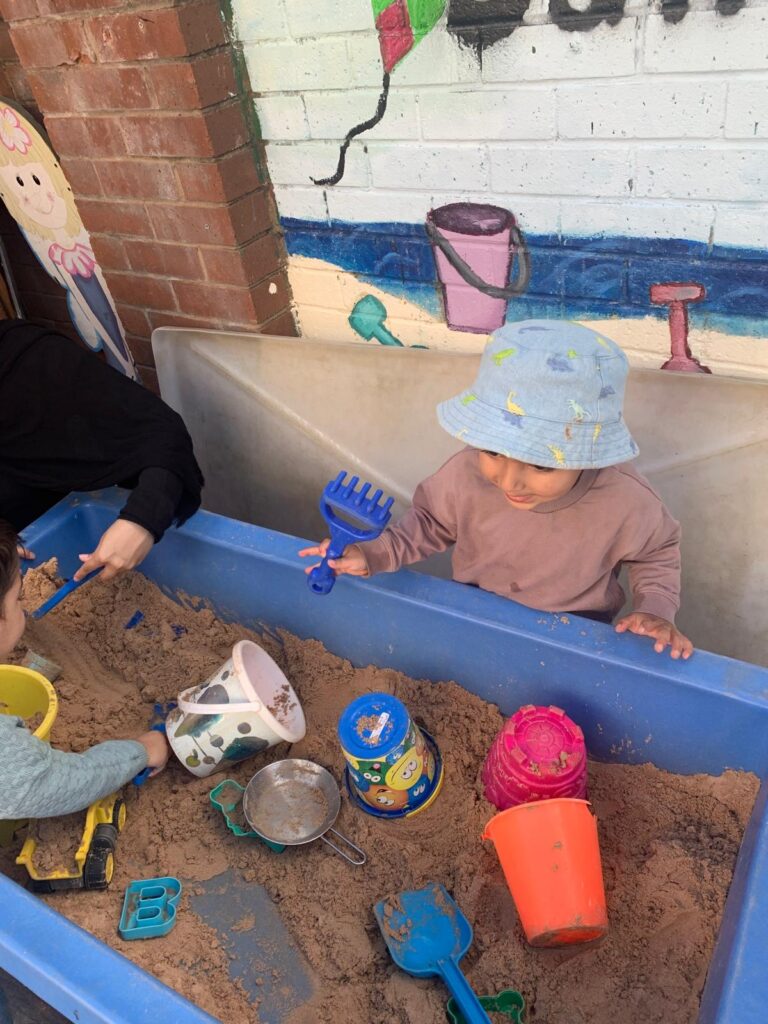
Practical First Day Nursery Tips for Parents
Start by establishing a nursery morning routine. Practise wake-up times, breakfast, and dressing in advance to help your child feel calm and prepared. You can explore Lote Tree Nursery’s Curriculum page to understand how structured routines support learning.
Preparing essential items for the nursery bag is another step. Include a spare set of clothes, labelled water bottles, snacks, and a comfort item. Involving your child in packing encourages ownership and eases first-day nerves. Lote Tree’s Policy Statements provide guidance on acceptable items and health and safety requirements.
Practising short separations at home builds resilience. Leave your toddler briefly with a trusted adult and gradually increase the time apart. For more tips, Lote Tree’s FAQs page provides advice on easing separation anxiety.
Toddler Preparation: Emotional and Social Readiness
Helping your child express feelings at home fosters confidence. Encourage them to talk about their emotions and role-play nursery scenarios. This builds social and emotional skills, which are part of Lote Tree’s School Transitions support.
Encouraging social skills for toddlers can be done through playdates and group activities. Practising sharing and polite greetings mirrors the social environment at nursery, making it easier for your child to settle. Reading stories about starting nursery or visiting the Gallery can familiarise them with the environment and staff.
Creating a Smooth Drop-Off Experience
Drop-off can be emotional, but brief and calm goodbyes are most effective. Comfort items such as a favourite toy or blanket provide reassurance and continuity from home to nursery. For more insight on this approach.
Building trust with nursery staff is essential. Pre-visits and introductions to key workers make the environment familiar and welcoming. Lote Tree’s Lote Tree Staff page highlights the dedication and expertise of educators, which helps parents feel confident about leaving their child.
Preparing for Meals, Naps, and Activities
Nurseries follow structured routines for meals, rest, and play. Introducing similar routines at home prepares your toddler for nursery morning routines. Offering healthy snacks and practising lunchbox habits familiarises them with expectations. Lote Tree’s Sessions & Fees page outlines mealtime structures and daily schedules.
Practising simple self-care tasks, like washing hands and using cutlery, builds independence. Engaging in play-based activities at home that mirror nursery learning helps toddlers transition more smoothly.
Sample First-Day Checklist for Parents
Here’s a practical checklist you can follow:
Item | Purpose | Notes |
Backpack | Carry essentials | Include name tag |
Spare Clothes | Accidents and spills | Label all items |
Water Bottle | Hydration throughout day | Easy open lid |
Healthy Snacks | Energy between meals | Follow nursery policy |
Conclusion
Every child’s first day at nursery can be full of emotions. With thoughtful toddler preparation and practical first day nursery tips, this milestone can become a time of confidence, curiosity, and joy. For resources on preparing your child for nursery, visit Lote Tree Nursery’s Application Form pages to start your journey today.
By planning ahead, practising routines, and providing reassurance, your child can step into nursery with excitement and ease. Explore Lote Tree Nursery’s Blogs for more advice and tips on creating a positive first day experience.
FAQs
How can I help my toddler settle at nursery?
Keep daily routines consistent at home and maintain a calm, positive tone when talking about nursery. Familiar activities, roleplay, and storybooks about starting nursery help your child feel confident and excited.
What should I pack in the nursery bag?
Include spare clothes, labelled water bottles, healthy snacks, and a comfort item to make your toddler feel secure. Check the Policy Statements for guidance on what items are allowed and any nursery-specific rules.
How long does separation anxiety last?
Most toddlers adapt to nursery routines within a few weeks, though timing can vary for each child. Gradual exposure, consistent routines, and reassurance help ease anxiety, as detailed on Lote Tree’s School Transitions page.
Can toddlers bring toys from home?
Comfort items like a favourite soft toy or blanket are usually welcomed to help your child feel safe.
How do I introduce my child to a new nursery environment?
Arrange pre-visits before the first day, meet the staff, and explore the nursery together.