
Nursery life can feel like a whirlwind of bright colours, laughter, painting, and play. Yet behind the fun lies something deeply important. In those early days of nursery socialisation, young children begin social skills development in ways that shape how they communicate, make friends and manage feelings. When children learn to take turns, share toys, or cooperate in group play, they are practising skills they will use throughout life.
High-quality nursery environments support not just learning through play, but also nurture emotional learning. Kids need to build confidence, empathy and resilience in real situations. In the UK, early years settings follow guidance designed to help children grow socially and emotionally from the moment they arrive. For example, Lote Tree Nursery’s curriculum is tailored to foster both social and emotional development in children.
Why Social Skills Development Matters in Early Childhood
We often imagine academic learning as the most important, yet in early years, learning to interact with others is just as crucial. Young children develop communication, cooperation, and empathy as they play and interact with peers and adults in their nursery. These skills form a foundation for later friendships, classroom participation, and positive relationships at school and beyond.
Lote Tree’s approach to starting a nursery ensures that children feel safe and welcomed, which encourages them to engage socially and emotionally from day one. Within this supportive environment, children learn both verbal and non-verbal communication. They discover how to ask for a toy, make eye contact, or interpret a friend’s smile or frown, which strengthens their ability to express needs and understand others’ feelings.
This early emotional awareness plays into building deeper relationships and helps them navigate more complex social environments later at school or the playground. Through school transition programs, children are guided to feel confident and secure in new settings.
Daily Nursery Activities That Boost Social Skills
Every day, nursery activities are full of opportunities for young learners to build strong social skills. Group play is at the heart of this development, encouraging children to cooperate, communicate, and support one another.
Storytime offers more than imagination and fun. It gives children a chance to listen, take turns, and express their thoughts. During role-playing games, children act out scenarios together, which helps them understand emotions and perspectives beyond their own. For example, Lote Tree staff often guide imaginative play that reinforces sharing and teamwork.
Simple routines such as snack time or tidying up also reinforce social skills. Children learn about sharing and turn-taking, practice patience, and negotiate roles within a group. These moments teach problem-solving and cooperation, skills that form the bedrock of healthy peer relationships. Every day experiences at Lote Tree Pre-School illustrate how cooperative play in nursery helps children learn respect, patience, and understanding.
Emotional Learning in Kids: How Nursery Supports It
Nurseries play a vital role in helping children recognise and manage their emotions, which is a key part of emotional learning kids need alongside social development. Children are gently encouraged to put feelings into words, whether they are excited, frustrated, or nervous.
Through guided interactions, children learn to recognise their own emotions and the feelings of others. This emotional awareness leads to better self-regulation, where children gradually gain the ability to manage strong feelings without becoming overwhelmed. Many nursery programs at Lote Tree include activities that help children identify feelings, calm themselves, and take pride in personal achievements.
Skilled practitioners model positive behaviour and support children when conflicts arise. For instance, if two children want the same toy, a practitioner may guide them to share or take turns, reinforcing kindness and empathy.
Building Friendships and Peer Connections
Making friends is a big part of nursery life and an important step in a child’s social journey. Within a nursery setting, children meet others from different backgrounds and learn how to approach peers, share experiences, and build trust. These early friendships become a joyful way to practise cooperation, respect, and kindness. Social play often includes games where children must wait for a turn, share resources, or join in group decisions.
These interactions help children grow in confidence and build an understanding of others’ perspectives. Friendships also offer emotional support and a sense of belonging, which strengthens a child’s self-esteem. Through conflict resolution, children learn negotiation and compromise. Lote Tree Nursery’s EYFS guidance ensures activities are designed to foster empathy and collaboration in a safe setting.
Structured vs Free Play: Finding the Balance for Social Growth
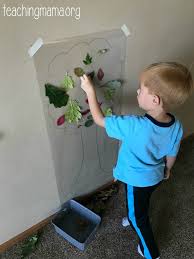
Nursery life balances structured activities with free play, both essential for early childhood social skills growth. Structured activities, such as group games, music sessions, or guided art projects, give children clear rules and shared goals. These experiences help children learn cooperation, rule-following, and patience.
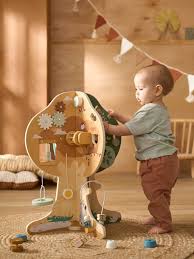
Free play allows children to explore, make choices, and test social boundaries in a more open way. It fosters creativity, negotiation, and leadership as children decide what to play and how to play together. Both types of play are vital for building a wide range of social skills.
Practical Tips for Parents to Reinforce Social Skills at Home
While the nursery provides a strong social foundation, parents can extend these lessons at home. Maintaining routines that mirror nursery activities, such as shared mealtimes or reading together, creates opportunities for discussion, listening, and communication.
Encouraging playdates or small group activities helps children practise their skills in varied social settings, boosting confidence and adaptability. Lote Tree Parent Area resources guide supporting emotional learning at home. Discussing daily experiences, reflecting on sharing and cooperation, and reading books about emotions reinforce both practical and emotional skills naturally.
Even ten minutes of structured storytelling, combined with interactive play, can strengthen empathy and collaboration in young children. Incorporating these practices at home ensures continuity of social skills development beyond the nursery walls.
Final Thoughts
Nursery life is central to fostering social skills development and supporting emotional learning that kids need to grow confidently. From cooperative play and turn-taking to managing feelings and building friendships, everyday experiences at nursery shape skills that last a lifetime.
Choosing a nursery like Lote Tree Nursery blogs that emphasises balance between structured and free play, along with supportive guidance from expert staff, ensures children develop socially, emotionally, and academically. Extend these lessons at home and watch your child thrive with confidence, empathy, and joy.
FAQs
How does nursery life improve a child’s communication skills?
Nursery provides daily interaction with peers and adults, helping children practise speaking, listening, and understanding social cues in a supportive environment. These repeated interactions also help children gain confidence in expressing their thoughts clearly and responding appropriately to others.
At what age do children start showing emotional awareness in group settings?
Children often begin to recognise and respond to others’ emotions between ages two and three, with skills continuing to develop through early years interactions. With guided support in nurseries, they gradually learn to identify feelings like happiness, sadness, and frustration in themselves and their friends.
Can shy children benefit from nursery social activities?
Yes, nurseries offer gentle exposure in small groups, giving shy children safe opportunities to build confidence and interact at their own pace. Over time, these children learn to participate more comfortably in group play and develop friendships naturally.
How do teachers measure social skills development in young kids?
Practitioners observe behaviours such as sharing, cooperation, and communication during activities and use reflections to track progress. They also assess children’s ability to handle conflict, take turns, and engage positively with peers over time.
Are group activities more effective than one-to-one interactions for social growth?
Both approaches are important. Group activities build collaborative skills, teamwork, and the ability to navigate social dynamics, while one-to-one interactions enhance close communication, empathy, and personalised attention to individual needs.