
Play-based learning is a natural part of how young children engage with the world. It is not simply fun and games, it is a carefully guided method that supports early years development in ways formal lessons often cannot. From communication skills to physical coordination, children learn best when they explore and interact. In the UK, play lies at the heart of early years education, recognised by frameworks like the Early Years Foundation Stage (EYFS). This article explains what play-based learning is, why it matters, and how it helps your child grow into a confident and curious learner.
What Is Play-Based Learning?
At its core, play-based learning means children learn through activities that feel like play. It is not unstructured time with no purpose. Instead, it involves an environment where children explore, solve problems, and interact, while adults support and guide learning subtly. Play can be free, child-led, or guided, where adults introduce materials or ideas to gently extend understanding. For example, our Curriculum integrates structured play to develop social, emotional, and cognitive skills. Parents often ask how play counts as learning, and the answer is that children are absorbing skills while engaged and motivated.
Why Play-Based Learning Matters in Early Years Development
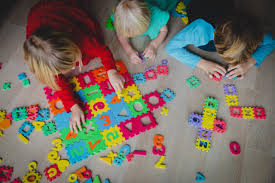
Learning through play is especially important in the early years when children’s brains are developing rapidly. According to the UK Government, well-planned play helps children explore and make sense of the world around them, practise focusing their attention, and communicate with others. Moreover, play-based activities support children’s confidence and motivation to learn. When children feel safe to explore, they are more likely to ask questions and develop a love for learning that lasts beyond nursery years. At Lote Tree, our Starting Nursery guide explains how children settle into this learning approach seamlessly.
How Children Learn Best Through Play
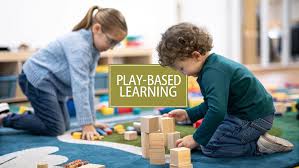
Young children are driven by curiosity. They want to explore, try things, and see how the world works. Play-based learning taps into this curiosity, allowing children to discover at their own pace. For instance, when children build with blocks in our Gallery, they solve problems about balance and size, which builds early mathematical thinking without realising they are learning. Similarly, storytelling and pretend play encourage language use and understanding of narrative structure, a focus highlighted in our Blogs. Play also supports children’s social development, teaching them to take turns and cooperate naturally, essential parts of early childhood development.
Key Developmental Benefits of Play-Based Learning for Young Children
Let us now explore how play contributes to specific areas of growth. Each of these benefits reflects outcomes observed internationally and within UK settings.
Cognitive and Language Development Through Play
Through play, cognitive skills like memory, attention, reasoning, and early literacy flourish. For example, during a simple game of pretend shop, children naturally practise counting and use new vocabulary. Research shows that play-based learning is linked to improved language skills because children use words in meaningful contexts. Activities like these are often incorporated into our Event Calendar workshops, where children explore storytelling and role play.
Social and Emotional Growth in Play-Based Environments
Play allows children to navigate emotions and relationships safely. Taking turns in group games builds patience, and negotiating rules develops empathy. Social play also fosters confidence, as children learn they can handle challenges independently. This is a crucial aspect of learning in the early years, and our dedicated Lote Tree Staff ensure children are guided with kindness and support.
Physical Development and Motor Skills Built Through Play
Movement is integral to play. Activities like climbing, painting, and outdoor exploration develop both fine and gross motor skills. Outdoor discovery sessions, detailed in our Gallery, encourage coordination and strength. These experiences not only support daily skills like writing or dressing but also nurture healthy activity habits.
The Role of Adults in Supporting Play-Based Learning
Adults play a vital role in making play meaningful. This does not mean directing every activity, but observing, interacting, and guiding gently. Our Policy Statements outline how practitioners and parents can support children effectively. At home, parents can join in simple activities like cooking, drawing, or role-play, fostering problem-solving and communication skills.

Play-Based Learning at Nursery vs Traditional Learning Approaches
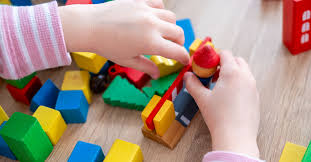
Some parents wonder how play compares with structured teaching. Play-based learning is child-led and exploratory, while traditional methods rely on direct instruction.
Comparison Table: Play-Based Learning vs Structured Classroom Learning
Aspect | Play-Based Learning | Structured Learning |
Approach | Child-led, exploratory | Teacher-led, routine |
Engagement | High, natural curiosity | Moderate, task focus |
Skill Focus | Holistic (social, physical, language) | Academic focus |
Play Value | Central to the method | Limited |
Learning Context | Real, playful scenarios | Formal lessons |
This table highlights why play-based nurseries, like ours, focus on immersive, child-centred learning that develops multiple skills simultaneously.
How Play-Based Learning Prepares Children for School and Beyond
Play builds the foundation for school readiness. Children who are confident interacting with others, curious about learning, and able to focus are better prepared for classroom routines. Play nurtures resilience through trial and error, teaching perseverance and flexibility, skills useful beyond nursery years. Learn more in our School Transitions page.
What to Look for in a High-Quality Play-Based Learning Environment
When choosing a nursery, look for settings that integrate indoor and outdoor play, provide varied materials, and have supportive staff. Our EYFS-compliant programmes, detailed on the EYFS page, ensure every child’s developmental needs are met. Parents can also explore the Sessions & Fee details for flexible options.
Common Myths About Play-Based Learning Explained
Some misconceptions persist: that play is not learning, that academics are ignored, or that it’s only for young children. In reality, play nurtures skills critical to school success, including language, problem-solving, and social competence.
Final Thoughts
Play-based learning nurtures the whole child, socially, emotionally, academically, and physically. Environments like Lote Tree Nursery demonstrate how guided play builds curiosity, confidence, and resilience. Supporting children in play ensures they are not just ready for school but also enjoy the journey of learning itself. To explore more, parents can Book a Tour or fill out the Application Form to get started.
FAQs
Is play-based learning really effective for academic readiness?
Yes, research shows that play-based learning actively supports literacy, numeracy, and problem-solving skills. Children practise these abilities naturally while exploring, experimenting, and interacting in engaging nursery environments like Lote Tree.
How does play-based learning support early years development milestones?
It encourages growth in communication, social skills, motor coordination, and emotional regulation. By participating in meaningful play activities, children gradually achieve key milestones set by the EYFS framework.
Can play-based learning work for shy or quieter children?
Absolutely. Play-based settings can be adapted to each child’s personality, allowing shy or quieter children to engage at their own pace. Our Caring Educators philosophy ensures every child feels supported and included.
How much structured learning should be included alongside play?
A balanced approach works best, combining guided tasks with free exploration. This ensures children develop essential skills while still enjoying the creativity, independence, and curiosity fostered through play.
At what age is play-based learning most important?
It is most impactful from birth to five years, when foundational skills for learning, social interaction, and emotional growth are formed. Early play sets the stage for confident, capable future learners.